
10 Questions to Ask Before Hiring a Remodeling Contractor in Houston
Ask these 10 questions to vet Houston remodeling contractors and protect your budget, timeline, and peace of mind.
By the Texas Greatest Remodelers team
Updated October 2, 2026
By Texas Greatest Remodelers · Updated August 10, 2026
Ask these 10 questions to vet Houston remodeling contractors: verify they're a general contractor, clarify responsibility for issues, define scope, understand payment terms, confirm a single point of contact, address local conditions, review warranties, prevent surprises, explain their process, and measure satisfaction. This protects your budget, timeline, and peace of mind.
Key Takeaways
- Hire a general contractor to avoid managing multiple trades and ensure single-point accountability.
- Confirm the contractor absorbs financial risk with a $0 down model and carries $2M liability insurance.
- Insist on a forensic-level inspection and line-by-line scope document before receiving a fixed price.
- Ensure a single project manager handles all issues and provides a unified warranty for all work.
- Verify the contractor's process for handling unexpected issues includes stopping work, documenting, and getting approval before proceeding.
Are You a General Contractor or a Specialty Contractor?
We're a general contractor, which means you get one team, one timeline, and one phone number to call from the day we start until the final walkthrough. That distinction matters more than most people realize.
A specialty contractor handles one trade—maybe flooring or painting. That's fine if you're only refreshing a single room with one material. But you're planning a kitchen or bathroom remodel. That means plumbing, electrical, tile, drywall, painting, and cabinetry all have to happen in the right sequence. If you hire separate contractors for each, you become the project manager. You're the one juggling schedules, mediating disputes, and chasing down the electrician who didn't show up because the tile crew was still working. We've heard that story hundreds of times from Houston homeowners who came to us exhausted.
As a general contractor, we eliminate that chaos. We don't subcontract any work. Every person who walks into your home is part of our in-house crew, trained to our standards, and accountable to a single family project manager who oversees your entire timeline. That's not a sales pitch—it's our stated policy. When something goes wrong mid-project, and in remodeling it sometimes does, there's no finger-pointing between trades. One person owns the problem and fixes it.
The other piece you need to know: we absorb the financial risk upfront. Our $0 Down promise means you don't pay anything until the work is complete and you're satisfied. We carry a $2 million General Liability policy and Worker's Compensation, and we'll put your name on the certificate of insurance before we start. You're not funding our materials or hoping we show up. We fund your project because we're financially stable enough to do so, and we've done it across more than 800 completed projects. One partner. One warranty. No runaround.
Who Is Responsible If Something Goes Wrong Mid-Project?
We are. Period. That's the short answer, and it's the only one that should matter to you. In a typical remodel where you're juggling a plumber, a tile guy, and a painter, a mid-project problem turns into a circular firing squad. The plumber blames the framer, the tile guy says the subfloor was bad, and you're stuck in the middle with a torn-up bathroom and a growing invoice. That doesn't happen with us because there's no one else to blame. We don't use subcontractors. The crew in your home works directly for Texas Greatest Remodelers, managed by a single family project manager who is your one phone number from start to finish.
Our forensic-level inspection is designed to surface hidden rot, bad plumbing, or framing issues before we give you a final price, not after we've already started swinging hammers. But if we open a wall and find something unexpected, the process is simple: work stops, your project manager photographs the issue, walks you through it physically, and presents a clear path to fix it. You approve the solution before we spend another dime of your money. We absorb the financial risk of the project from day one with our $0 Down model, so you're never in a position where you've paid for work that hasn't been done right. A single warranty covers all of our work, meaning you'll never hear us say "that's the tile guy's problem." It's our problem, and we fix it.
How Do You Define the Scope of Work Before Starting?
We define the scope before a single tool leaves the truck because vague estimates are what turn a planned renovation into a budget disaster. Our process starts with a forensic-level inspection. That's not just a walkthrough with a clipboard. We open up access panels, check inside vanities, and trace plumbing and electrical lines to find what's actually behind your walls—not what we assume is there. If we spot water damage, a failing subfloor, or venting issues during this inspection, you'll know about it before the quote is final, not as a surprise invoice halfway through your kitchen gut.
Once the inspection is complete, we document every finding and build a line-by-line scope document. This isn't a one-page sheet that says "remodel bathroom." It spells out exactly what gets demolished, what materials we're using, where the waterproofing system goes, and how the finishes will be prepped. For tile work, that means grinding and leveling the subfloor and installing an anti-fracture membrane to separate the tile from the slab. For bathrooms, we specify the waterproofing membrane behind every tile installation. You get a fixed price tied to that written scope, so you know what it's going to cost before the first tile goes in.
Sarah Chen, a homeowner we worked with, told us we were the only contractor who actually measured before quoting. That's the standard. You shouldn't have to guess whether the low bidder skipped something critical. And if we do find hidden rot or a plumbing issue mid-project, our project manager will stop, photograph it, and show you exactly what's happening—just like Robert Valdez experienced when his project manager caught hidden rot and walked him through it before proceeding. That way, you make the call with real information, not pressure.
How Do You Handle Payments and Deposits?
We don't take them. That's the short answer. We operate on a $0 Down model, meaning you pay nothing upfront before your kitchen or bathroom remodel begins. We fund the materials and labor ourselves. You don't write a check until the work is complete and you're 100% satisfied. We can do that because we're a family-owned business that's financially stable enough to carry the risk—so you don't have to.
This directly addresses the fear every Interior Upgrade Planner has: paying a large sum to a contractor who then vanishes or delivers shoddy work. That story you've heard in your social circle? It can't happen here because there's no money to lose. We don't ask for a percentage to "get on the schedule." We don't tie payments to vague milestones that leave you arguing about what's "substantially complete." You keep your cash reserves intact until you're walking on the new tile and opening the freshly installed cabinets.
Instead of deposits, we define a clear, fixed-price scope before the first tile goes in. That price is based on a forensic-level inspection of your space, not a quick walkthrough and a guess. Sarah Chen, a homeowner in Katy, told us we were the only contractor who actually measured everything before quoting. That's standard for us. We document what's behind the walls, identify any hidden rot or subfloor issues, and build that reality into your number. If we do find something unexpected mid-project—like Robert Valdez's project manager did when he stopped work to photograph hidden rot and show him before proceeding—we handle it transparently. The price doesn't double without your knowledge. You see the problem, you approve the solution, and we move forward.
One phone number. One timeline. One accountable team. And no money out of your pocket until the job is done right. That's how we've completed over 800 projects, and it's how your remodel will work too.
Will I Be Dealing With One Point of Contact or Multiple People?
You'll have one person. From the first measurement to the final walkthrough, you deal with a single family project manager who owns your entire timeline. That means no juggling a plumber on Tuesday, a tile crew on Thursday, and an electrician who may or may not show up. We don't use subcontractors. Everyone who walks through your door works directly for us, so the person you call is the same person who knows exactly what happened yesterday and what's happening tomorrow.

If something looks off behind the drywall—rotted subfloor, a vent stack in the wrong place—your project manager stops, photographs it, and walks you through the fix before we proceed. Robert Valdez experienced this firsthand when his project manager caught hidden rot mid-job and made sure he saw it before a single decision was made. That's how accountability works when one person is responsible. You get one phone number, one timeline, and no finger-pointing.
It also means the scope and price are locked in before we start because the same person who inspects your home is the one who builds the plan. Sarah Chen told us we were the only contractor who actually measured before quoting. That's not a compliment to us—it's a warning about how most of this industry operates. With our $0 Down model, you're never funding a project that hasn't started, and you're never chasing someone who disappeared. We carry the financial risk, so you don't have to. One partner. One warranty. One person you can call at 8 p.m. if a question keeps you up.
How Do You Account for Houston-Specific Conditions?
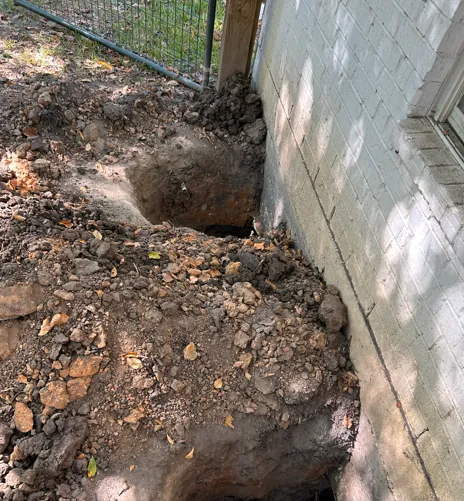
We start with the dirt under your house and the air you can't see inside your walls. Houston's gumbo clay soil expands and contracts so aggressively with moisture that it can shift a slab and crack tile work within a single season. That's not theory—it's the reason we grind down high spots and fill low spots with self-leveling compound on every flooring job before a single plank or tile goes down. A flat subfloor isn't a luxury here. It's the only way to stop your new floors from buckling or separating six months after the remodel.
Then there's the humidity. When we gut a bathroom for a full renovation, we don't just hang backer board and start tiling. We install advanced waterproofing membranes like Schluter systems behind every tile installation. That membrane creates a sealed envelope that stops moisture from migrating into your wall cavity, where it feeds mold you won't see until the grout starts staining and the drywall feels soft. We also lay down high-grade moisture barriers or liquid membranes between the concrete slab and any new flooring. Hydrostatic pressure—moisture pushing up through the slab—is a reality in Houston homes, and without that barrier, your engineered wood or luxury vinyl plank can cup, warp, or delaminate.
For tile, we take one more step most crews skip: anti-fracture membranes. Houston slabs move. It's what they do. An anti-fracture membrane separates the tile from the concrete so that minor slab shifts don't telegraph straight through into cracked grout lines and loose tiles. You don't see it when the job is done, but you'd notice its absence within two years.
These aren't add-on line items we spring on you mid-project. They're baked into how we scope the work before we ever give you a price. When we walk your home, we're looking for what Houston's climate and soil will do to the materials you want. We tell you what's needed upfront. You get one number, one timeline, and one team that handles every layer of the prep and finish—no subcontracted tile crew cutting corners on waterproofing because they're paid by the square foot.
What Is Included in Your Warranty—and What Is Not?
Most remodels come with a stack of separate warranties—one from the tile installer, another from the plumber, maybe something from the cabinet supplier. That setup creates a real problem when something goes wrong a year later and nobody can agree whose work failed. We eliminated that by providing a single warranty that covers everything we manage. One phone number. One responsible party. No finger-pointing between trades.
Our warranty covers workmanship on every trade we perform—framing, drywall, flooring, tile, paint, plumbing fixtures, electrical fixtures, and everything in between. If a tile cracks because the subfloor was prepped wrong, it's on us. If a cabinet door binds because the installation was off, we fix it. The materials themselves carry manufacturer warranties, and we walk you through exactly what those cover and for how long before we ever order anything.
What's not covered? Normal wear and tear, damage from abuse, and issues caused by conditions we documented and recommended fixing but you declined. If we flag a moisture problem behind the shower wall and you tell us to tile over it anyway, that's not a warranty claim—it's a decision we documented together. We photograph everything during construction so there's no memory gap about what was visible and what choices were made.
The real difference is that our warranty isn't a sales promise that evaporates when you need it. We've completed over 800 projects with this model. We don't ask for a dollar upfront, we carry a $2 million General Liability policy plus Worker's Compensation, and we put your name on the Certificate of Insurance before work starts. That means we're financially motivated to get it right the first time—because if we don't, we're the ones paying to fix it, not you.
How Do You Prevent Surprises During Construction?
We prevent surprises by finding them before you ever sign a contract. Most horror stories start the same way: a contractor gives a quote based on what they can see, demolition begins, and suddenly there's rotted subfloor, corroded plumbing, or framing that was never done right. That's when the price doubles and nobody wants to own it. We don't work that way.
Our forensic-level inspection means we treat the initial walkthrough like a diagnosis, not a formality. Before we quote anything, we're looking behind vanities, checking for soft spots around toilets, mapping where water has been traveling inside walls, and identifying what's actually happening beneath the surface. We don't just measure for new tile—we're measuring moisture levels, checking deflection in the subfloor, and documenting every finding. That's why Sarah Chen told us we were the only contractor who actually measured before quoting. She'd had others walk through, glance around, and toss out a number. We won't do that to you.
When we do open a wall and find something unexpected—and in Houston homes with our humidity and shifting clay soil, hidden damage is common—you won't hear about it from a subcontractor who's already halfway through the repair. Your project manager stops work, photographs the issue, and walks you through exactly what was found and what it means before a single extra dollar is spent. Robert Valdez described exactly this: our team found hidden rot mid-job, stopped, showed him the photos, and only proceeded after he understood the situation. That's the transparency you deserve.
The other half of preventing surprises is who shows up. We don't use subcontractors. Not on any project. Every person working in your home is part of our in-house crew, trained to our standards, and accountable to the same project manager you've had from day one. There's no electrician blaming the drywall crew, no tile installer pointing at the plumber. One phone number, one timeline, and one team that owns the entire outcome.
Can You Explain Your Process From Start to Finish?
We walk you through every step before a single tool shows up, so you know exactly what's happening and when. It starts with a forensic-level inspection of your space. Not a quick look. We're checking what's behind the walls and under the floors—rot, framing issues, plumbing that's been leaking for years. Robert Valdez, one of our Houston clients, told us his project manager actually stopped mid-job to photograph hidden rot and show him before proceeding. That's standard for us. We document everything, explain what we found, and nail down a real scope of work. No guessing. No "we'll figure it out later."
From there, you get one point of contact—a family project manager who owns your timeline from start to finish. That's who you call. That's who answers. We don't farm your kitchen or bathroom out to subcontractors you've never met. Every crew member on your job is our in-house team, trained to our standards for interior finishes. Your project manager coordinates all the trades—plumbing, tile, electrical, paint—so you're not juggling schedules or mediating finger-pointing.
Before we start, we hand you a Certificate of Insurance with your name on it, backed by our $2 million General Liability policy and Worker's Compensation. Then we fund the entire project upfront. You read that right. We don't ask for a dime down. Our $0 Down promise means you pay when the work is complete and you're fully satisfied. The financial risk sits with us, not you. Daily cleanup keeps your home livable, and at the end, we walk through the finished space together to confirm every detail matches what we agreed on. One timeline. One phone number. One warranty covering all the work.
Frequently Asked Questions
Does Texas Greatest Remodelers use subcontractors?
No, we never use subcontractors. Every person working in your home is part of our in-house crew, trained to our standards and accountable to a single family project manager.
What insurance does Texas Greatest Remodelers carry?
We carry a $2 million General Liability policy and Worker's Compensation. We'll put your name on the certificate of insurance before we start.
How does Texas Greatest Remodelers handle unexpected issues during a remodel?
Work stops, your project manager photographs and explains the issue, and presents a fix. You approve the solution before we spend any more money.
What is Texas Greatest Remodelers' payment model?
We have a $0 Down promise. You don't pay anything until the work is complete and you're satisfied.
What kind of inspection does Texas Greatest Remodelers perform before quoting?
We perform a forensic-level inspection, opening access panels, checking inside vanities, and tracing plumbing and electrical lines to find hidden issues before quoting.
Does Texas Greatest Remodelers provide a warranty?
Yes, a single warranty covers all of our work, so you never hear 'that's the tile guy's problem.' It's our problem, and we fix it.
Experience the Difference
Let us show you what a professional, transparent remodeling experience looks like.