
Bathroom remodel in Houston costs $8,000–$45,000, requires permits for any plumbing or structural work, and takes 2–6 weeks. Learn what Gulf Coast humidity
By Texas Greatest Remodelers · Updated July 20, 2026
A Houston bathroom remodel costs $8,000–$45,000 depending on scope, requires a City of Houston permit for any plumbing or structural work, and takes 2–6 weeks. Gulf Coast humidity, HOA rules in Katy and Sugar Land, and contractor licensing rules all affect what your project actually looks like on the ground. What follows covers permit requirements, why Houston's climate changes your material choices, what each scope costs, realistic timelines, how suburban HOA approval sequences work, what finished projects across the city prove out, and how to design for aging in place without the hospital-room aesthetic.
Key Takeaways
- Houston bathroom remodels cost $8,000–$45,000 and take 2–6 weeks depending on scope
- Permits are required for any plumbing, electrical, or structural work — skipping them shifts liability to the homeowner
- Gulf Coast humidity demands epoxy grout and cementboard/waterproofing membrane instead of standard grout and drywall
- Houston's expansive clay soil shifts slabs seasonally, requiring subfloor grinding, self-leveling compound, and anti-fracture membrane before tiling
- Texas contractor licenses are publicly searchable via TDLR (electricians) and the Texas State Board of Plumbing Examiners (plumbers)
Houston Permit Requirements and How to Verify Your Contractor's License Before Work Starts
Most homeowners don't know what permits their bathroom remodel requires. Most contractors count on that.
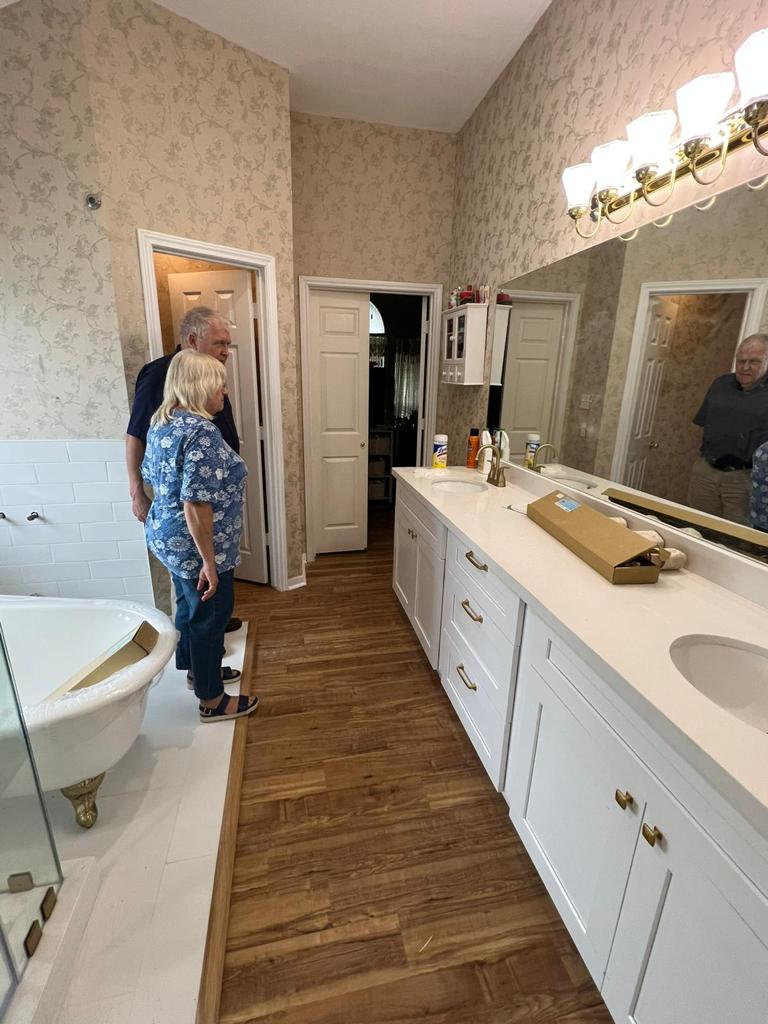
In Houston, a cosmetic refresh — new paint, a mirror swap, a faucet replacement — doesn't trigger a permit. The moment you touch plumbing, electrical, or structural walls, the math changes. Relocating a toilet or moving a drain line requires a plumbing permit. Adding or moving a light circuit requires an electrical permit. Knocking out a wall requires a building permit. These aren't optional. They protect you when you sell — a buyer's inspector will find unpermitted work, and it can kill a closing or saddle you with an escrow holdback that costs more than the permit ever would have.
Here's where homeowners get burned: a contractor who skips permits isn't saving you money. They're shifting the liability onto you.
Texas licenses its trades through two agencies. TDLR — the Texas Department of Licensing and Regulation — covers electricians and HVAC technicians. The Texas State Board of Plumbing Examiners covers plumbers. Both maintain public license lookups you can search by contractor name or license number before anyone sets foot in your bathroom. Ask for the number. Look it up. If a contractor can't hand you one immediately, that's your answer.
Texas Greatest Remodelers carries $2 million in General Liability plus Workers' Compensation — and we hand you a Certificate of Insurance with your name on it before work starts. We pull every permit the scope requires. We have to. Our warranty only holds if the work is code-compliant, and we don't get paid until you're satisfied. That alignment matters. A contractor who skips permits has already told you exactly where their interests lie.
We don't guess about what's required. We dig in, confirm what Houston's permitting office needs, and document everything from day one.
Why Gulf Coast Humidity Changes Everything About Your Bathroom Materials
Permits protect the work legally. The right materials protect it physically — and in Houston, the standard is different than anywhere else in Texas.
Houston bathrooms fail faster than bathrooms anywhere else in Texas. That's not speculation — it's physics.
Outdoor humidity here runs high year-round. Your bathroom piles steam, splash, and condensation on top of that. Materials that perform fine in Dallas or Austin degrade years earlier in a Gulf Coast home.
Grout is the first thing to go. Standard Portland-cement grout is porous. In this climate, that porosity becomes a mold highway. You clean it, it comes back. You bleach it, the mold goes three layers deeper. The fix isn't a better scrub brush — it's epoxy grout or a sealed joint from day one.
Behind the tile is where most contractors cut corners. Drywall — even "moisture-resistant" greenboard — absorbs vapor over time in Houston's climate. It doesn't fail in a week. It fails in three years, quietly, inside your wall. The standard here isn't drywall. It's cementboard or a dedicated waterproofing membrane. We install the Schluter system behind every tile job because it creates a continuous waterproof plane, not just a moisture-resistant one. Continuous. No gaps, no transfer points.
Then there's the slab.
Houston sits on expansive clay. It moves with the seasons — it moves with rain. A large-format tile laid over an inadequately prepped subfloor will crack. Not because the tile is cheap. Because the substrate shifted underneath it. We grind the subfloor, pour self-leveling compound, laser-check flatness, and lay anti-fracture membrane before a single tile goes down. That's the step your last contractor probably skipped.
Smaller mosaic formats tolerate movement better than large-slab tiles. But the real answer is substrate prep. Every time.
What Does a Bathroom Remodel Cost in Houston in 2026? A Scope-by-Scope Breakdown
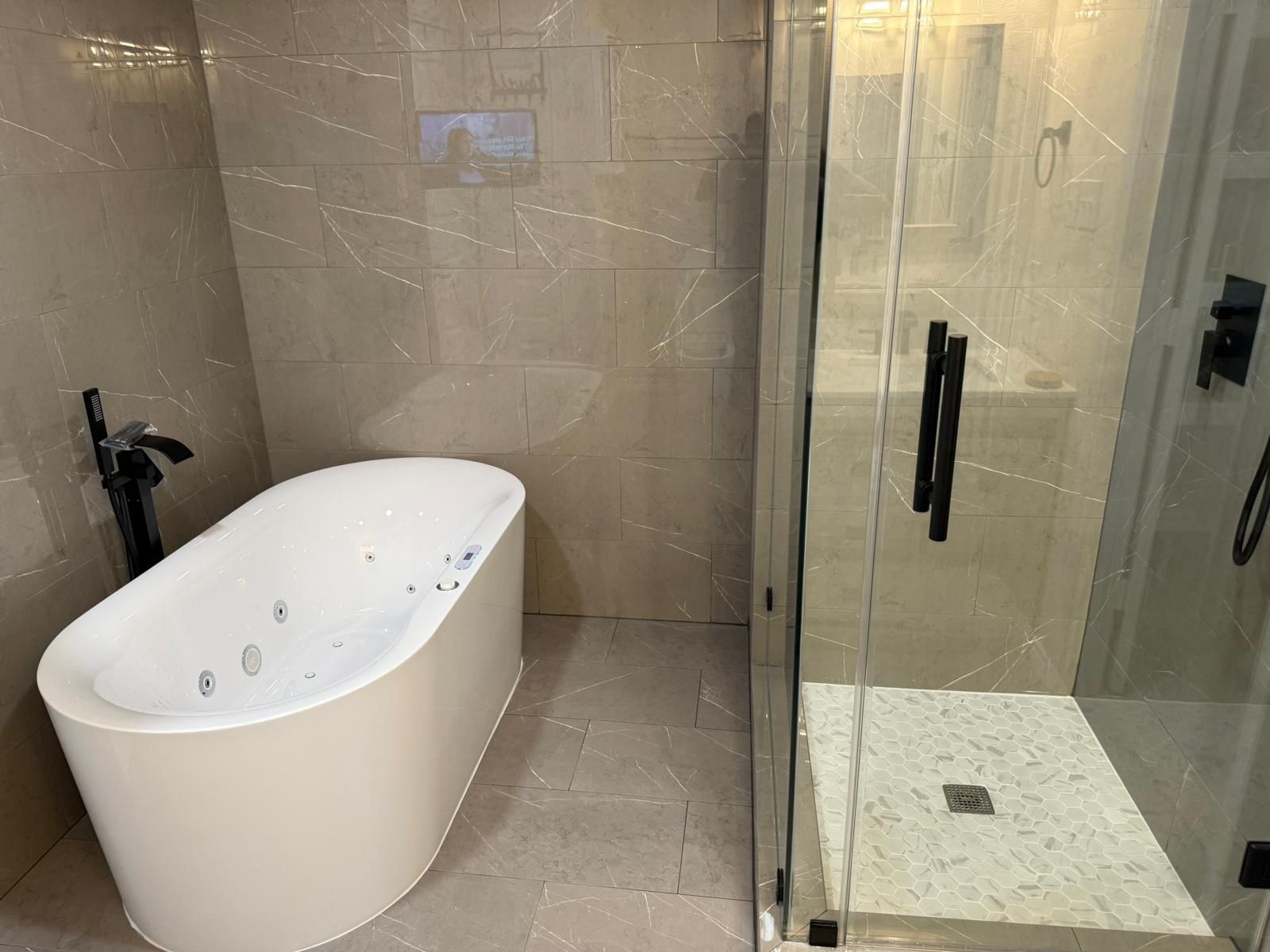
The honest answer: scope determines cost more than any other variable. A powder room refresh and a primary bath gut-and-tile conversion share nothing but plumbing fixtures. The table below breaks down what each scope actually includes — and what pushes costs higher in Houston specifically.
| Scope | What's Included | What Drives It Higher Locally |
|---|---|---|
| Powder room refresh | New vanity, toilet, faucet, mirror, paint | Minimal — mostly labor and fixtures |
| Guest bath update | Tile replacement, new vanity/tub surround, fixtures, lighting | Subfloor condition; older Heights/Midtown homes often have moisture damage under the original tile |
| Primary bath mid-range | Full tile demo and reset, new shower, vanity, toilet, updated plumbing rough-in | Foundation movement — Houston's expansive clay soil shifts slabs, which cracks tile beds and forces subfloor repairs before a single new tile goes down |
| Primary bath full gut | Down-to-studs demo, new plumbing layout, walk-in conversion, custom tile, advanced waterproofing system | Waterproofing requirements are non-negotiable here; Gulf Coast humidity means a missed seam behind the tile isn't a cosmetic problem — it's a mold problem inside your wall |
| Walk-in shower conversion | Remove tub, reframe opening, new drain, full tile, glass enclosure | Permit-required plumbing relocation; labor costs reflect that |
Two things drive Houston overruns more than anything else. First, hidden water damage — concealed rot behind tile, diagnosed before a price is locked or it becomes a surprise invoice midway through. Second, foundation movement. When a slab has shifted, new tile floors and shower pans crack unless the subfloor is corrected first.
We don't collect deposits. You pay nothing until the work is complete and you're satisfied — and if the scope needs to grow because we found something, you know about it before it costs you a dollar. 0% financing for 24 months means the right scope isn't something to negotiate down out of fear.
How Long Will Your Bathroom Be Out of Commission? Real Houston Project Timelines
Direct answer: it depends on scope, permit timing, and who's running your project.
-
Cosmetic refresh — no permit required. New fixtures, vanity swap, tile over existing substrate. A solid crew finishes this in under a week. No permit, no city inspection hold, no waiting.
-
Full gut remodel — permit required. Tear to studs, new waterproofing membrane, plumbing rough-in, electrical. City of Houston Development Services issues residential permits on a rolling basis. After a major storm season, wait times stretch — the department gets flooded with insurance-driven applications from contractors filing for hundreds of houses at once. A permit that takes days in a quiet month can take weeks after a weather event.
-
Hidden damage adds time. Concealed rot, mold, or compromised framing — common behind Houston tile — adds days to any schedule. You can't plan around what hasn't been found yet.
-
Subcontractor availability eats timelines. After a bad storm season, every trade in Houston books weeks out. We run in-house crews only. Elena Rodriguez controls your schedule. No waiting on a third party juggling five other jobs across town.
-
The realistic window, plainly stated. A true gut remodel, permit to punch-list, runs several weeks under normal conditions. Delays compound when permits are slow and your contractor farms the work out — which most do.
Plan for longer than you think. Then pick a contractor who has a reason to finish fast.
HOA Approval Before You Pull a Permit: What Katy, Sugar Land, Pearland, and Woodlands Homeowners Must Do First
Most homeowners in Katy, Sugar Land, Pearland, and The Woodlands get the sequence backwards. They call a contractor, get excited, pull the city permit — and then the HOA sends a stop-work notice. That's a real cost. Forced demolition, re-approval fees, project delays. It happens more than people realize.
Here's the actual order: HOA approval first, city permit second. Most master-planned communities in these suburbs require written design approval before any work that changes tile, fixtures, wall configurations, or visible finishes. That means submitting drawings, material specs, and sometimes finish samples to an Architectural Review Committee. Turnaround can run two to four weeks depending on the community's review schedule — you don't control that clock.
We work in these communities constantly (F12, F14). Before we schedule a single trade, we ask one question: does your HOA require ARC approval for this scope? If yes, we help pull together what the committee needs. You don't get penalized for not knowing the process. You get penalized for skipping it.
The contractor who starts without HOA sign-off is the one who gets paid either way. We don't. That's why we check first.
Real Completed Bathroom Remodels Across Houston: Heights, Midtown, Memorial, Pearland, and Cypress
Most contractor websites show stock photos. We show what actually happened — because when you have to do a good job to get paid, the finished work becomes the only thing that matters.
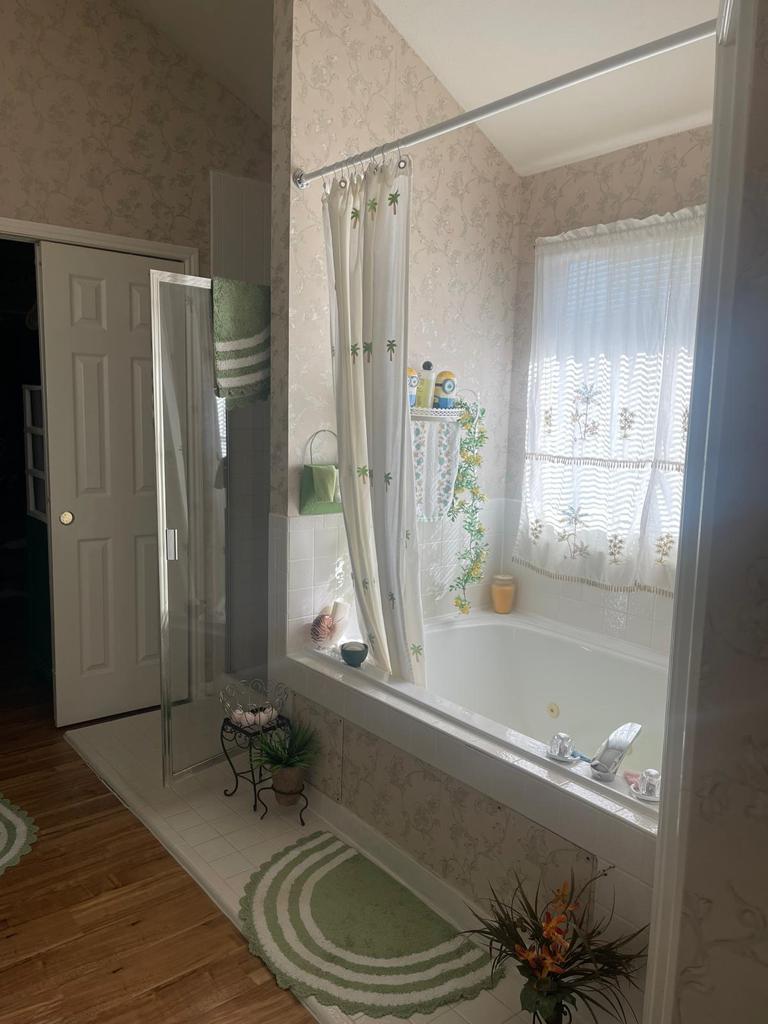
In Cypress, Dorothy Pierce hired us after discovering water damage she couldn't explain. We opened the walls before quoting — found rotted framing and failed waterproofing that no surface renovation would have fixed. We repaired the infrastructure first, then completed the full bathroom renovation. She paid nothing until it was done and she was satisfied.
That pattern holds across every neighborhood we work in. Pearland homeowners dealing with humidity-driven tile failures. Katy bathrooms with shower pans that never drained right from day one. Sugar Land baths where a prior contractor left the waterproofing half-finished. We work across greater Houston — from Cypress to the Energy Corridor — and the problem we find most often isn't the one the homeowner called about. It's the one underneath it.
We don't guess. We dig. Then we build it right and transfer the risk: $0 Down, One Lifetime Warranty, payment only when you're satisfied.
Aging-in-Place Bathroom Design That Doesn't Look Like a Hospital Room
Most contractors hear "aging in place" and reach for a walk-in tub catalog and a white grab bar. That's not aging-in-place design. That's a hospital room with better tile.
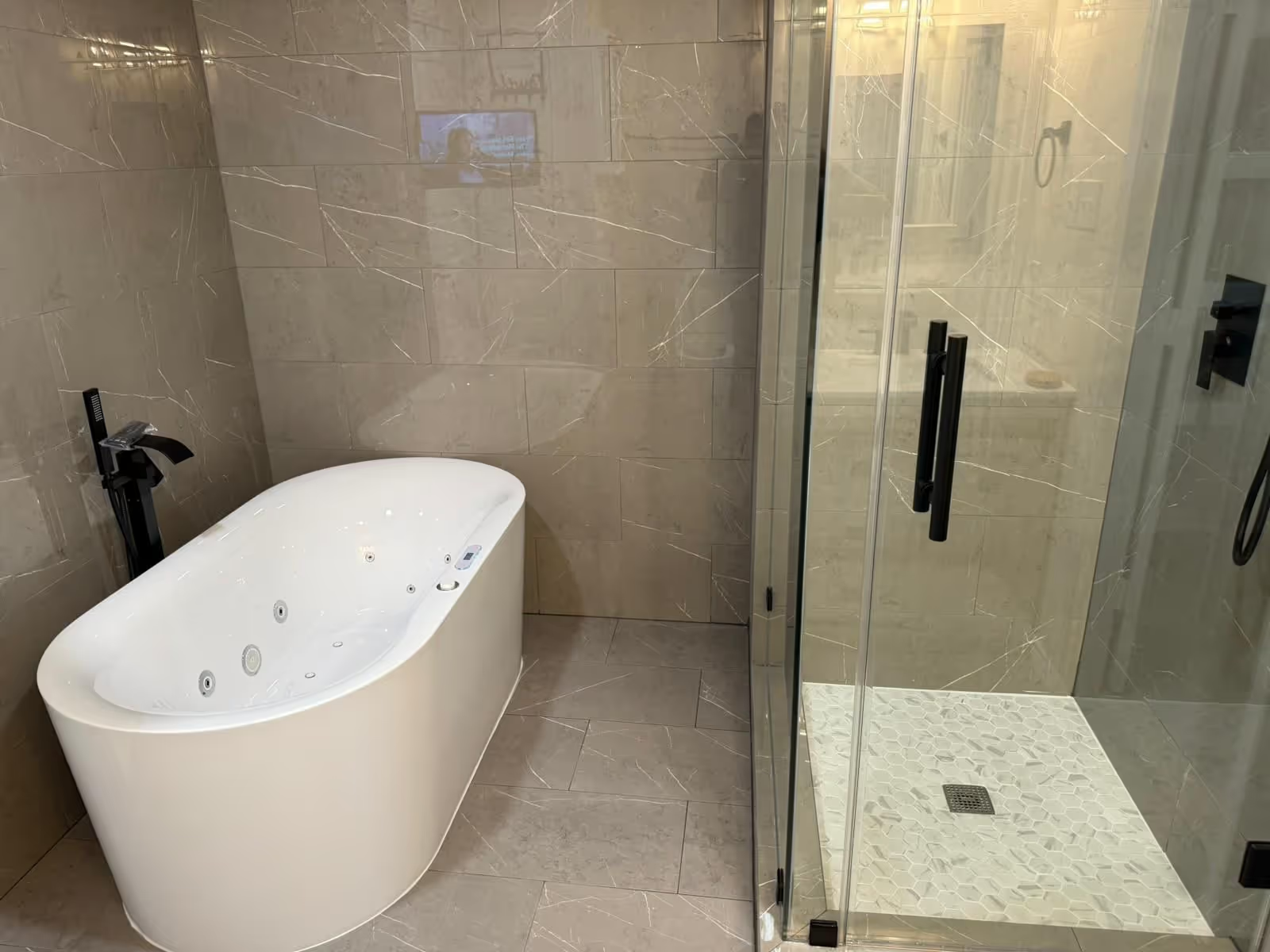
The real work starts at framing. Grab bars cannot be anchored to drywall — they need solid wood blocking installed between studs before cement board or tile ever goes up. Skip that step and the bar pulls free the moment someone actually needs it. We frame that blocking in regardless of the client's age, because retrofitting it later means tearing out finished tile.
Curbless showers require the floor system to slope toward a linear drain at rough-in. A linear drain looks intentional. Do it backward and you get a standing puddle, an eventual leak, and a floor that screams afterthought.
A proper wheelchair turning radius changes the layout math entirely. Plan for it now or gut the room again in ten years.
We use the Schluter waterproofing system behind every shower. One Lifetime Transferable Warranty covers all of it. A bathroom built to these specs doesn't look like a retrofit — it looks like what you planned all along.
Frequently Asked Questions
Do I have to pay a deposit before work begins?
Texas Greatest Remodelers requires $0 down. Work starts before you pay anything, and payment is due only after the project is complete and you're satisfied with the result.
Does replacing a shower or bathtub require a permit in Houston?
Yes. Any scope that touches plumbing — including shower pan replacement, drain relocation, or anything beyond swapping a fixture in place — requires a City of Houston plumbing permit. Skipping it shifts liability to you and can surface during a home sale inspection.
What financing options are available for a Houston bathroom remodel?
Texas Greatest Remodelers offers 0% interest financing for 24 months, with longer terms available up to 15 years (180 monthly payments). No down payment is required to start work.
Does the warranty transfer to a new owner if I sell my home?
Yes. The One Lifetime Transferable Warranty covers all work across all trades and moves to the next owner when the home sells — making it a documented asset on your disclosure.
What areas around Houston do you serve for bathroom remodeling?
Texas Greatest Remodelers serves Houston and surrounding communities including Katy, The Woodlands, Sugar Land, Pearland, the Energy Corridor, Cypress, and the Buffalo Bayou area. Call (832) 552-1555 to confirm availability for your address.
Experience the Difference
Let us show you what a professional, transparent remodeling experience looks like.