
Flooring in Houston: what to look for before you hire a contractor
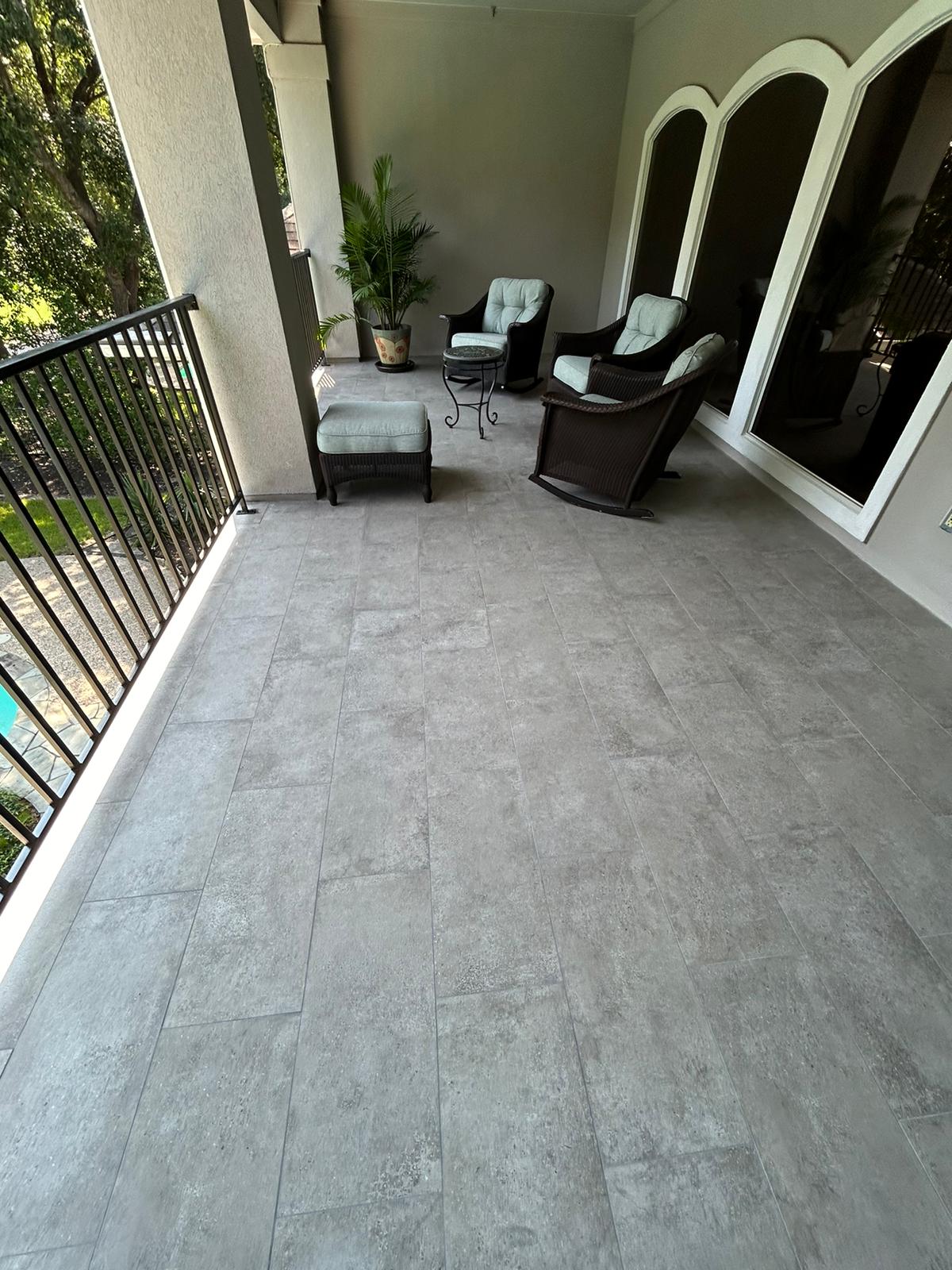
Table of contents
- Why Houston homes need a different flooring approach
- Flooring types that hold up in Houston's climate
- What separates a quality installation from a rushed one
- How to compare flooring contractors in Houston
- What professional flooring installation actually costs in Houston
- Frequently asked questions
- Ready to replace your floors the right way
Finding reliable flooring in Houston means more than picking a material you like. It means finding a contractor who will tell you the truth about what is under your current floor before anything gets torn out. Houston homeowners replacing worn carpet, cracked tile, or damaged hardwood face a specific set of challenges: Gulf Coast humidity, slab foundations with moisture migration issues, and a market full of contractors who quote low to win the job, then surprise you once the demo is done. This article gives you the framework to evaluate your options, ask the right questions, and end up with floors that still look solid ten years from now.
Key takeaways
- The subfloor preparation phase determines whether your new floor holds up or fails within a few years, and it is the step most often rushed by low-cost installers.
- Houston's humidity requires moisture testing and vapor barriers before hardwood or laminate goes down on concrete slab foundations.
- Mid-range flooring installation in Houston runs $6 to $14 per square foot installed, depending on material and subfloor condition.
- A written labor warranty and a documented post-installation walkthrough are the two most important things to confirm before signing any contract.
Why Houston homes need a different flooring approach
Houston's climate creates flooring conditions that contractors in drier markets rarely encounter. The combination of high ambient humidity, slab-on-grade construction, and wide seasonal temperature swings means that installation decisions that work fine in Dallas or Denver can fail here within two years.
Most Houston homes sit on concrete slab foundations rather than crawl spaces or basements. Concrete slabs absorb and release moisture depending on the season, and that moisture migrates upward. Before any hardwood, engineered wood, or laminate goes down on a Houston slab, a contractor needs to test moisture levels and install an appropriate vapor barrier. Skip that step, and you get warping, buckling, and hollow spots within the first humid summer.
Houston wood flooring requires acclimation time as well. Solid hardwood planks need to sit in the home for several days before installation so the wood adjusts to the indoor humidity level. A crew that shows up and installs the same day the material arrives is cutting a corner that will show up in your floor later.
Local building codes in Harris County and surrounding municipalities also set expectations for subfloor flatness tolerances and transition requirements between flooring types. A contractor with genuine Houston experience knows these requirements by habit. One who operates primarily elsewhere may not.

Flooring types that hold up in Houston's climate
Not every flooring material performs equally well in Houston's humidity. The right choice depends on the room, the subfloor type, and how much moisture exposure the space sees.
Houston vinyl flooring, specifically luxury vinyl plank (LVP), has become the most popular choice for Houston homeowners over the past decade for a practical reason: it is dimensionally stable in high humidity. LVP does not expand and contract the way wood does, making it well-suited for kitchens, bathrooms, and ground-floor rooms on slab foundations. It installs as a floating click-lock floor over underlayment, which means professional installation also ensures proper expansion gap management at walls and transitions.
Tile flooring in Houston remains the standard for bathrooms, laundry rooms, and covered outdoor spaces. Ceramic and porcelain tile are impervious to moisture, which makes them durable in Houston's climate. The labor intensity is higher than other flooring types because installation involves mortar mixing, precision wet-saw cuts for outlets and corners, and grouting. The quality difference between a careful tile installation and a rushed one shows up in grout lines, hollow spots under tiles, and cracked grout within the first year.
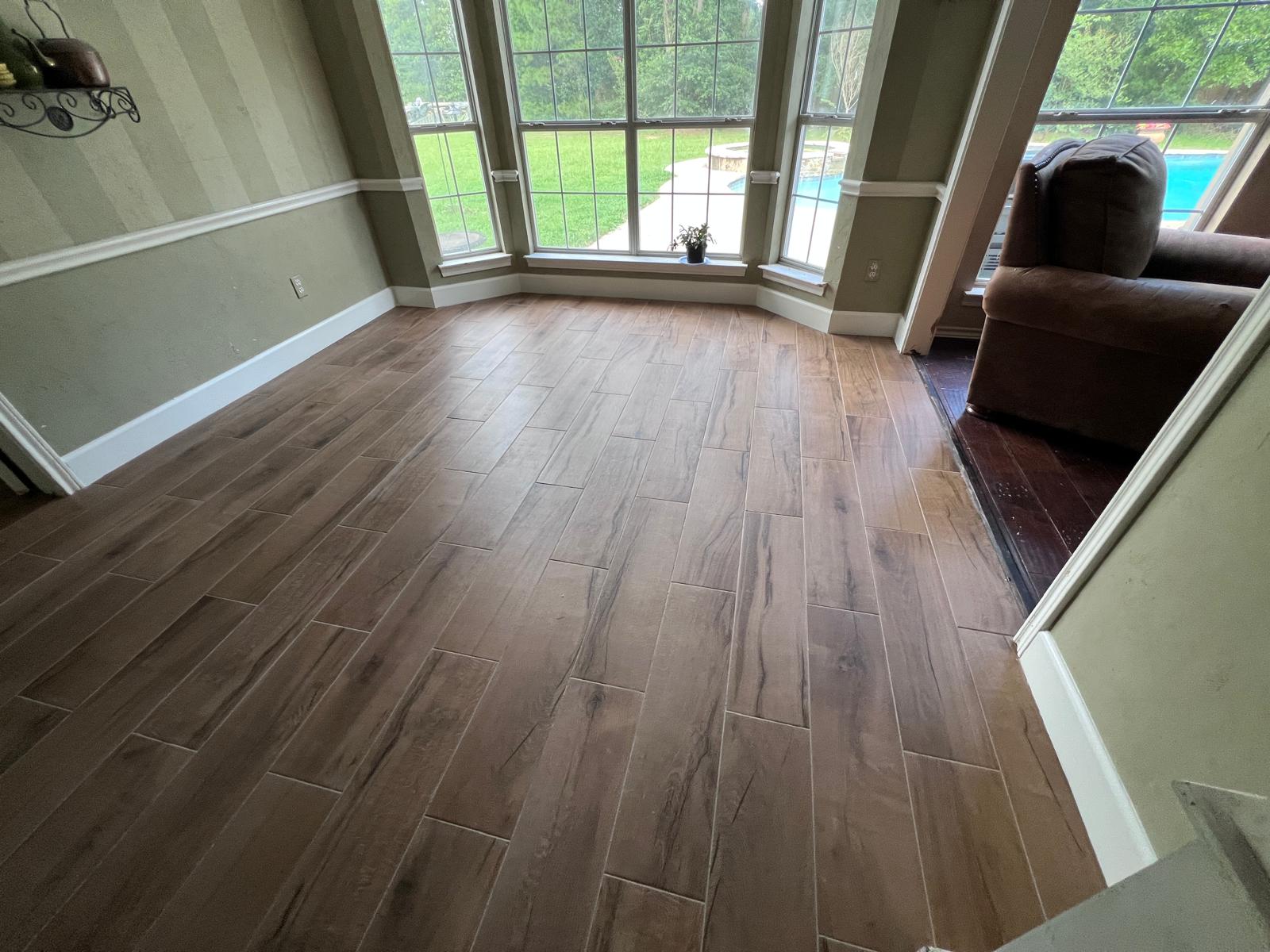
Houston wood flooring is achievable on slab foundations when the subfloor preparation is done correctly. Engineered hardwood, which uses a real wood veneer over a plywood core, handles humidity better than solid hardwood and can be glued down directly to concrete with the right adhesive. Solid hardwood is better suited to second-floor installations over wood subfloors, where moisture risk is lower.
Laminate is a budget-friendly option but carries more risk in Houston's climate than LVP. Laminate has a wood-fiber core that can swell when exposed to moisture. It requires careful underlayment selection and is not recommended for below-grade spaces or rooms with plumbing nearby.
| Flooring Type | Humidity Performance | Best Houston Application | Installation Method |
|---|---|---|---|
| Luxury vinyl plank (LVP) | Excellent | Any room, slab foundations | Floating click-lock |
| Porcelain or ceramic tile | Excellent | Wet areas, kitchens | Mortar-set with grout |
| Engineered hardwood | Good | Living areas, slab or wood subfloor | Glue-down or nail-down |
| Solid hardwood | Fair | Second-floor rooms, wood subfloor | Nail-down or staple-down |
| Laminate | Fair | Dry rooms only, wood subfloor preferred | Floating click-lock |
| Carpet | Good (with padding) | Bedrooms, low-traffic areas | Stretch-in with tack strips |
What separates a quality installation from a rushed one
The difference between a floor that lasts a decade and one that starts buckling after the first humid summer almost always comes down to what happened before the new material went down. Subfloor preparation is the phase most homeowners never see, which is exactly why it gets rushed.
A professional flooring crew follows a defined sequence. After removing your existing floor, they inspect the exposed subfloor for moisture, structural damage, squeaks, and levelness. On concrete, that means moisture testing with a calcium chloride or relative humidity probe before anything else happens. On wood subfloors, it means checking for loose fasteners, damaged sections, and levelness within the manufacturer's tolerance, typically 3/16 of an inch over a 10-foot span.
If the subfloor is not level, self-leveling compound gets applied and allowed to cure before installation begins. If there is a moisture problem on a concrete slab, a vapor barrier or moisture-blocking primer goes down. None of this is visible once the new floor is installed. That is what makes it easy to skip.
I've heard horror stories about floors buckling six months later because they didn't fix the subfloor right. That is not bad luck. It is the predictable result of rushing past the preparation phase to get to the visible work faster.
The finishing phase matters too. A complete installation includes transition strips between flooring types, reinstallation of baseboards or quarter-round trim, debris cleanup, and a final walkthrough with the homeowner. A crew that installs the floor and leaves exposed edges or missing trim is handing you a secondary project to manage yourself.
How to compare flooring contractors in Houston
Comparing flooring contractors in Houston requires looking past the price and into the process. The right contractor explains what they are seeing and why specific work is needed before you commit to anything.
The Houston flooring market includes local independent contractors, specialty flooring retailers with in-house installation, and big-box programs through Home Depot and Lowe's that use managed subcontractor networks. Big-box programs offer financing convenience, but the installation quality depends on which subcontractor shows up in your market. You are hiring a brand, not a crew.
Local specialty contractors and full-service remodelers offer direct accountability. The person who quotes your job is the same person responsible if something goes wrong. That accountability structure matters when you are thinking about what happens in year two if a plank comes loose or a grout line cracks.
Here are the questions worth asking any contractor before signing:
- How do you assess subfloor condition, and what do you do if you find moisture or levelness issues after demo?
- What is your process for moisture testing on concrete slab foundations?
- Does your quote include removal and disposal of the existing floor, transition strips, and baseboard reinstallation?
- What does your labor warranty cover, and how long does it last?
- Can you provide references from Houston homeowners whose projects you completed in the last 12 months?
I just want someone who will tell me the truth about what's under there before we start ripping everything up.
A contractor who answers question one with a clear, specific process is giving you that. One who waves it off or gives a vague answer is telling you something important.
You can review completed flooring projects and client results to see how a contractor's finished work holds up in real Houston homes before you commit.

What professional flooring installation actually costs in Houston
Professional flooring installation in Houston runs $3 to $24 per square foot installed, depending on material selection, room complexity, and subfloor condition. That wide range reflects real differences in what you are getting.
Budget installations at the lower end of that range typically involve simpler materials like laminate or basic LVP and assume a subfloor in good condition. Mid-range installations, which represent most residential projects, land between $6 and $14 per square foot and cover quality LVP, engineered hardwood, or ceramic tile with standard subfloor preparation included. Tile work and solid hardwood installations at the upper end of the range reflect the additional labor involved in mortar work, precision cutting, and nail-down methods.
The number to watch is not just the per-square-foot price. It is what the quote includes. A low quote that excludes old floor removal, subfloor repair, transition strips, and disposal can end up costing more than a complete quote that covers the full scope. Get itemized quotes, not just totals.
I'm terrified of spending $15,000 and ending up with the same problems I have now, just with prettier material on top.
That outcome is preventable. It happens when the quote is built around the material and the installation labor, with subfloor preparation treated as an afterthought or an upsell once demo reveals what is underneath.
A contractor who prices subfloor preparation into the initial quote, explains what they typically find in Houston homes, and gives you a clear process for handling surprises is one who has done this enough to know what to expect. Flexible financing options can also help you invest in the right installation rather than cutting scope to hit a number.
| Project Type | Typical Range (Installed) | What Drives the Cost |
|---|---|---|
| LVP, standard subfloor | $6-$9 per sq ft | Material grade, room count |
| Ceramic or porcelain tile | $8-$14 per sq ft | Labor intensity, pattern complexity |
| Engineered hardwood | $9-$14 per sq ft | Wood species, installation method |
| Solid hardwood | $12-$18 per sq ft | Species, nail-down labor, acclimation |
| Carpet with padding | $3-$7 per sq ft | Padding grade, room size |
Frequently asked questions
How long does flooring installation take in a typical Houston home?
Most single-room flooring installations take one to two days. A whole-home replacement covering 1,500 to 2,000 square feet typically runs three to five days, depending on material type and subfloor condition. Tile work takes longer than LVP or laminate because mortar and grout require cure time before the floor can be used.
Does Houston humidity affect which flooring I should choose?
Yes, and it is one of the most important factors for Houston homeowners. LVP and tile perform best in high-humidity environments because they do not expand and contract with moisture. Solid hardwood carries more risk on slab foundations and requires proper moisture testing and vapor barriers before installation. Engineered hardwood is a middle option that handles humidity better than solid wood.
What should I ask to see before hiring a flooring contractor in Houston?
Ask for references from recent Houston projects, a written quote that itemizes removal, subfloor preparation, materials, installation, and finishing work, and documentation of their labor warranty terms. You can also ask to see their process for handling subfloor moisture issues discovered after demo begins. A contractor who can answer that question specifically has done this in Houston before.
What does a flooring labor warranty typically cover?
A labor warranty covers installation defects, which means problems that result from how the floor was installed rather than how it was used or maintained. This includes issues like hollow tile, loose planks, improper expansion gaps, and failed transitions. It does not cover damage from water events, heavy impact, or normal wear. Labor warranties typically run one to two years, though some contractors offer longer coverage. Get the terms in writing before the project starts. Read what Houston homeowners say about their experience with contractors who stand behind their work.
Can I stay in my home during a flooring installation?
In most cases, yes. Crews typically work room by room, which allows you to stay in unaffected parts of the house. Tile installation involves stronger adhesive and grout odors that may require ventilation. If the project covers the entire ground floor at once, some homeowners choose to stay elsewhere for one to two nights. Your contractor should walk you through the schedule and disruption expectations before work begins.
Ready to replace your floors the right way
Houston homeowners who get flooring installations that hold up for years share one thing in common: they hired a contractor who treated the subfloor as seriously as the material on top of it. That is the difference between a floor that still looks and feels solid after the first five humid summers and one that starts showing problems before the warranty window closes.
Knowing what to look for, what to ask, and what a complete quote should include puts you in a position to make a confident decision rather than just a hopeful one. "I don't know enough about flooring to know if I'm being taken advantage of" is a fair concern, and the answer is not to become a flooring expert. It is to find a contractor who explains the work clearly enough that you understand what you are paying for and why.
The next step is a conversation. Schedule a consultation with TX Greatest Remodelers and get a transparent assessment of your current floors, your subfloor condition, and what a complete installation will actually involve in your specific home. See our flooring installation and replacement services, or contact us directly to schedule your in-home walkthrough. You will leave that conversation knowing exactly what the job requires, what it costs, and what to expect when it is done.