
Covered patio addition in Houston TX: what you need to know before you build
One contractor. One warranty. Slab, cover, and permits handled start to finish.
In this article
Key takeaways
Gumbo Clay drainage must be addressed at the slab stage — retrofitting drainage after the pour is expensive and often incomplete.
Insulated aluminum patio covers outperform wood-framed options in Houston's humidity and UV exposure over a 10-plus-year horizon.
Houston city permits are required for most attached patio cover additions, and HOA approval runs on a separate timeline that can delay your build by weeks.
TGR handles the concrete slab, cover installation, and permit coordination under one project plan with a $0-down, pay-when-satisfied model.
Why Houston homes need a covered patio built differently
Houston's climate creates specific structural demands that a standard patio cover installation does not address. Gumbo Clay soil absorbs moisture rapidly during heavy rain, expands laterally, and then shrinks and cracks during dry periods. A patio slab poured directly onto unprepared Gumbo Clay without proper grading, compaction, and drainage slope will move seasonally — and the cover structure anchored to it moves with it.
Houston's Gulf Coast humidity also accelerates wood deterioration faster than in drier climates. Untreated or improperly sealed wood framing in a patio cover can show rot, warping, and fastener corrosion within three to five years. Choosing materials and installation methods suited to this specific environment is not optional — it is the difference between a patio that adds equity and one that requires remediation.
Proper drainage slope in the concrete slab directs water away from the home's foundation. When a patio cover and slab are installed by separate contractors on separate timelines, drainage coordination often falls through the gaps. One contractor pours the slab to their spec. Another installs the cover to theirs. Nobody owns the drainage outcome.
Insulated aluminum vs. wood-framed patio covers
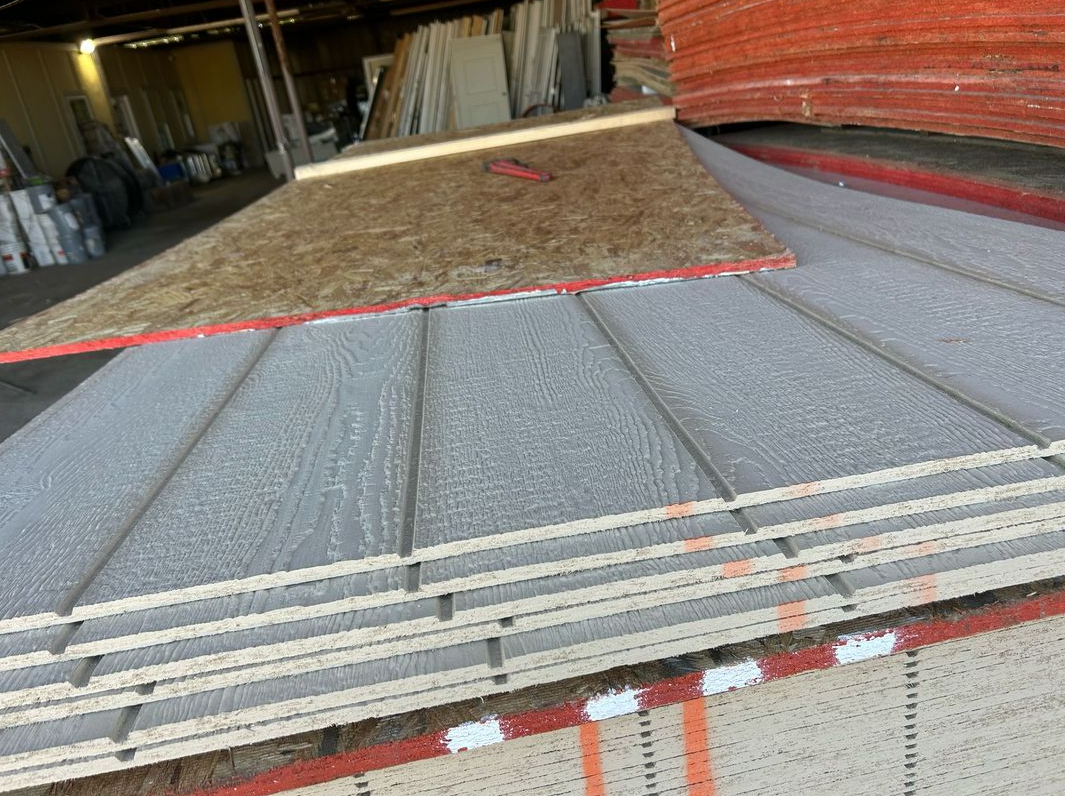
For Houston homeowners choosing between an insulated aluminum patio cover and a wood-framed option, the climate math favors aluminum in almost every long-term scenario. Insulated aluminum panels reflect radiant heat, resist moisture absorption, and require no painting, sealing, or rot treatment over their lifespan. Wood-framed covers offer more design flexibility upfront but carry higher maintenance costs in Houston's humidity and UV conditions.
Here is how the two options compare across the factors that matter most in Houston:
| Factor | Insulated aluminum | Wood-framed |
|---|---|---|
| Heat reduction | High — foam core reflects radiant heat | Moderate — depends on roofing material |
| Moisture resistance | Excellent — no absorption | Lower — requires sealing and treatment |
| Maintenance over 10 years | Minimal | Painting, sealing, possible rot repair |
| Design customization | Standard panel profiles | High — custom shapes and finishes |
| Typical lifespan in Houston | 20-plus years | 10–15 years with proper maintenance |
| Weight load on slab | Lower | Higher depending on framing |
Insulated aluminum is the standard recommendation for Houston homeowners who want a low-maintenance, long-horizon solution. Wood-framed covers make sense when architectural design continuity with an existing structure is the priority and the homeowner is committed to a regular maintenance schedule.
Both options require proper attachment to the home's existing structure. An attached patio cover Houston TX installation must anchor to the ledger board or fascia in a way that does not compromise the home's weather barrier. This is one of the most common failure points when patio covers are installed by crews without general contracting experience.
Permits, HOA approval, and what Houston actually requires
A patio cover permit in Houston TX is required for most attached patio cover additions, and the permit process runs through the City of Houston's permitting office or the relevant municipality for homes in Katy, Sugar Land, Pearland, or The Woodlands. Skipping the permit creates title problems at resale and can trigger removal orders if discovered during a future inspection.
The permit application for an attached patio cover typically requires a site plan showing the cover's dimensions relative to the property line, structural drawings for the attachment method and post footings, and confirmation that the project meets setback requirements. Processing time varies. Plan for two to four weeks in most Houston-area municipalities.
HOA approval runs on a completely separate timeline and often has stricter requirements than the city permit. Many Houston-area HOAs specify approved cover colors, materials, and design profiles. Some require architectural committee review, which meets monthly. Submitting to the city before receiving HOA approval is a common mistake that forces homeowners to choose between two conflicting sets of requirements.
The correct sequence is HOA submission first, city permit second, construction third. A patio cover contractor in Houston who handles permit coordination as part of the project scope eliminates the scheduling errors that come from managing these two processes independently.
The single-contractor advantage for slab and cover together
Building a covered patio addition with one contractor managing the concrete slab, the cover installation, and the permit process produces a structurally better outcome than splitting the work across multiple trades. When one team owns the drainage slope, the anchor points, and the finished surface, there is no ambiguity about who is responsible if something fails.
The coordination failure that most homeowners do not anticipate is sequencing. A concrete contractor pours the slab and leaves. Weeks later, a cover installer arrives and finds the anchor bolt placement does not match the cover's post spacing. Now someone has to core-drill new anchor points into a finished slab — a repair that weakens the concrete and costs more than getting it right the first time.
TX Greatest Remodelers handles the full scope of a covered patio addition under one project plan, one project manager, and one lifetime transferable warranty. The slab is poured to the cover's spec. The drainage slope is set before the pour. The permit is pulled before the first shovel goes in the ground.
The $0-down model means TGR funds all materials and labor before the homeowner pays a dollar. Payment is collected after the work is complete and the homeowner confirms satisfaction. This is not a financing arrangement. TGR carries the financial risk throughout the project because the accountability structure changes when the contractor has skin in the game.
Homeowners in Houston, Katy, Sugar Land, Pearland, and The Woodlands can review TGR's full service offering or learn more about how TGR operates before scheduling a consultation.
Frequently asked questions
How much does a covered patio addition cost in Houston TX?
Covered patio addition costs in Houston typically range from $8,000 to $25,000 depending on slab size, cover material, and attachment complexity. Insulated aluminum covers cost more upfront than basic wood-framed options but carry lower maintenance costs over time. Permit fees add $300 to $800 depending on the municipality.
Do I need a permit for a patio cover in Houston TX?
Yes. Most attached patio cover additions in Houston and surrounding municipalities require a building permit. The permit covers structural attachment, setback compliance, and footing requirements. Unpermitted covers create title complications at resale and can be flagged during home inspections.
How long does it take to build a covered patio addition in Houston?
Construction typically takes three to seven days once permits are approved and materials are on site. The longer timeline is the permit and HOA approval process, which can run two to six weeks depending on the municipality and HOA review schedule. Planning for this lead time upfront prevents delays.
What is the best patio cover material for Houston's climate?
Insulated aluminum is the most durable option for Houston's combination of high humidity, UV exposure, and heat. It requires no painting or sealing and holds up without maintenance for 20-plus years. Wood-framed covers are a viable option for homeowners who prioritize design flexibility and commit to a regular maintenance schedule.
Ready to build your covered patio in Houston
A covered patio addition in Houston TX delivers lasting value when the slab, drainage, material selection, and permit coordination are handled correctly from the start. Homeowners who separate these elements across multiple contractors absorb the coordination risk themselves. Homeowners who consolidate them under one contractor with a single warranty transfer that risk to the party doing the work.
TX Greatest Remodelers has served Houston-area homeowners since 2015 with a model built on one principle: the contractor who funds the project before collecting payment has every reason to get it right. The $0-down structure is not a marketing offer. It is the accountability mechanism that drives every decision TGR makes on a job site.
If you are planning a covered patio addition in Houston, Katy, The Woodlands, Sugar Land, or Pearland, schedule a consultation with TGR to get a forensic assessment of your slab site, drainage conditions, and cover options before any work begins.
Experience the Difference
Let us show you what a professional, transparent remodeling experience looks like.